




{[ translations.title]}
{[ translations.subtitle]}
{[ translations.countrySelectLabel]}
{[ translations.selectLabel ]}
{[ currentCountry?.name ]}
{[ translations.countrySelectTitleLocalizations]}
Argentina
Australia
Austria
Belgium
Brazil
Cambodia
Canada
China
Czech Republic
Denmark
France
Germany
Greece
Hong Kong SAR China
Hungary
India
Indonesia
International
Italy
Japan
Laos
Malaysia
Maldives
Myanmar (Burma)
Nepal
Philippines
Poland
Singapore
Slovakia
South Korea
Spain
Sri Lanka
Taiwan
Thailand
United Kingdom
United States
Vietnam
{[ translations.countrySelectTitleCountries]}
Afghanistan
Albania
Algeria
American Samoa
Andorra
Angola
Anguilla
Antigua & Barbuda
Armenia
Aruba
Azerbaijan
Bahamas
Bahrain
Bangladesh
Barbados
Belarus
Belize
Benin
Bermuda
Bhutan
Bolivia
Bosnia & Herzegovina
Botswana
British Virgin Islands
Brunei
Bulgaria
Burkina Faso
Burundi
Cameroon
Cape Verde
Cayman Islands
Central African Republic
Chad
Chile
Christmas Island
Cocos (Keeling) Islands
Colombia
Comoros
Congo - Brazzaville
Congo - Kinshasa
Cook Islands
Costa Rica
Croatia
Cuba
Cyprus
Côte d’Ivoire
Djibouti
Dominica
Dominican Republic
Ecuador
Egypt
El Salvador
Equatorial Guinea
Eritrea
Estonia
Eswatini
Ethiopia
Falkland Islands
Faroe Islands
Fiji
Finland
French Guiana
French Polynesia
Gabon
Gambia
Georgia
Ghana
Gibraltar
Greenland
Grenada
Guadeloupe
Guam
Guatemala
Guinea
Guinea-Bissau
Guyana
Haiti
Honduras
Iceland
Iran
Iraq
Ireland
Isle of Man
Israel
Jamaica
Jersey
Jordan
Kazakhstan
Kenya
Kiribati
Kuwait
Kyrgyzstan
Latvia
Lebanon
Lesotho
Liberia
Libya
Liechtenstein
Lithuania
Luxembourg
Macao SAR China
Madagascar
Malawi
Mali
Malta
Marshall Islands
Martinique
Mauritania
Mauritius
Mayotte
Mexico
Micronesia
Moldova
Monaco
Mongolia
Montenegro
Montserrat
Morocco
Mozambique
Namibia
Nauru
Netherlands
New Caledonia
New Zealand
Nicaragua
Niger
Nigeria
Niue
Norfolk Island
North Korea
North Macedonia
Northern Mariana Islands
Norway
Oman
Pakistan
Palau
Palestinian Territories
Panama
Papua New Guinea
Paraguay
Peru
Portugal
Puerto Rico
Qatar
Romania
Russia
Rwanda
Réunion
Samoa
San Marino
Saudi Arabia
Senegal
Serbia
Seychelles
Sierra Leone
Slovenia
Solomon Islands
Somalia
South Africa
St. Barthélemy
St. Helena
St. Kitts & Nevis
St. Lucia
St. Pierre & Miquelon
St. Vincent & Grenadines
Sudan
Suriname
Sweden
Switzerland
Syria
São Tomé & Príncipe
Tajikistan
Tanzania
Timor-Leste
Togo
Tokelau
Tonga
Trinidad & Tobago
Tunisia
Turkey
Turkmenistan
Turks & Caicos Islands
Tuvalu
U.S. Virgin Islands
Uganda
Ukraine
United Arab Emirates
Uruguay
Uzbekistan
Vanuatu
Vatican City
Venezuela
Wallis & Futuna
Western Sahara
Yemen
Zambia
Zimbabwe
{[ translations.langSelectLabel]}
{[ currentLocalizationLang?.name ]}
{[ localization.label ]}
{[ translations.errors.invalidDate ]}
{[ translations.errors.invalidAge ]}
{[ translations.errors.invalidDate ]}
{[ translations.errors.invalidAge ]}
{[ translations.locationMessage ]}

{[ translations.legalDisclaimer]}

Home Blog articles Lifestyle Exploring the Spritz: Italy’s Signature Sparkling Cocktail
Recent articles

Exploring the Spritz: Italy’s Signature Sparkling Cocktail

Learn what a spritz is, the differences between spritz and spritzer, and how this beloved Italian drink has become a global sensation.
[Sassy_Social_Share style=""]
aperol-spritz-cocktail-france

Exploring the Spritz: Italy’s Signature
Sparkling Cocktail

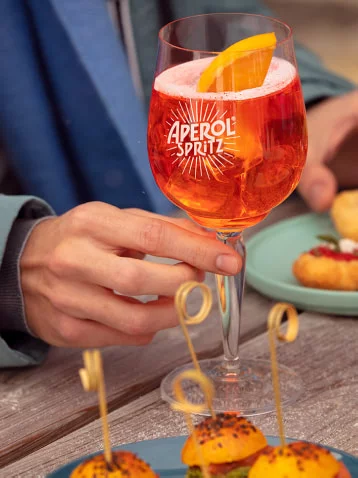
Few cocktails embody the spirit of Italian leisure quite like the Spritz. Bright, bubbly, and refreshingly bitter, the Spritz has become a symbol of the aperitivo culture that defines Italy’s dining traditions. Often enjoyed at golden hour in a piazza or on a sun-drenched terrace, this sparkling cocktail invites you to slow down and savor life’s pleasures. With its signature orange hue and delicate balance of flavors, the Spritz is more than just a drink: it’s a cultural icon.

The Origins and Popularity of the Spritz

The Spritz traces its origins to northern Italy during the 19th century, when the Austro-Hungarian Empire ruled the Veneto region. Austrian soldiers stationed there found Italian wines too strong for their taste and began diluting them with water. The term “Spritz” comes from the German word spritzen, meaning “to spray,” reflecting the practice of adding water to wine.

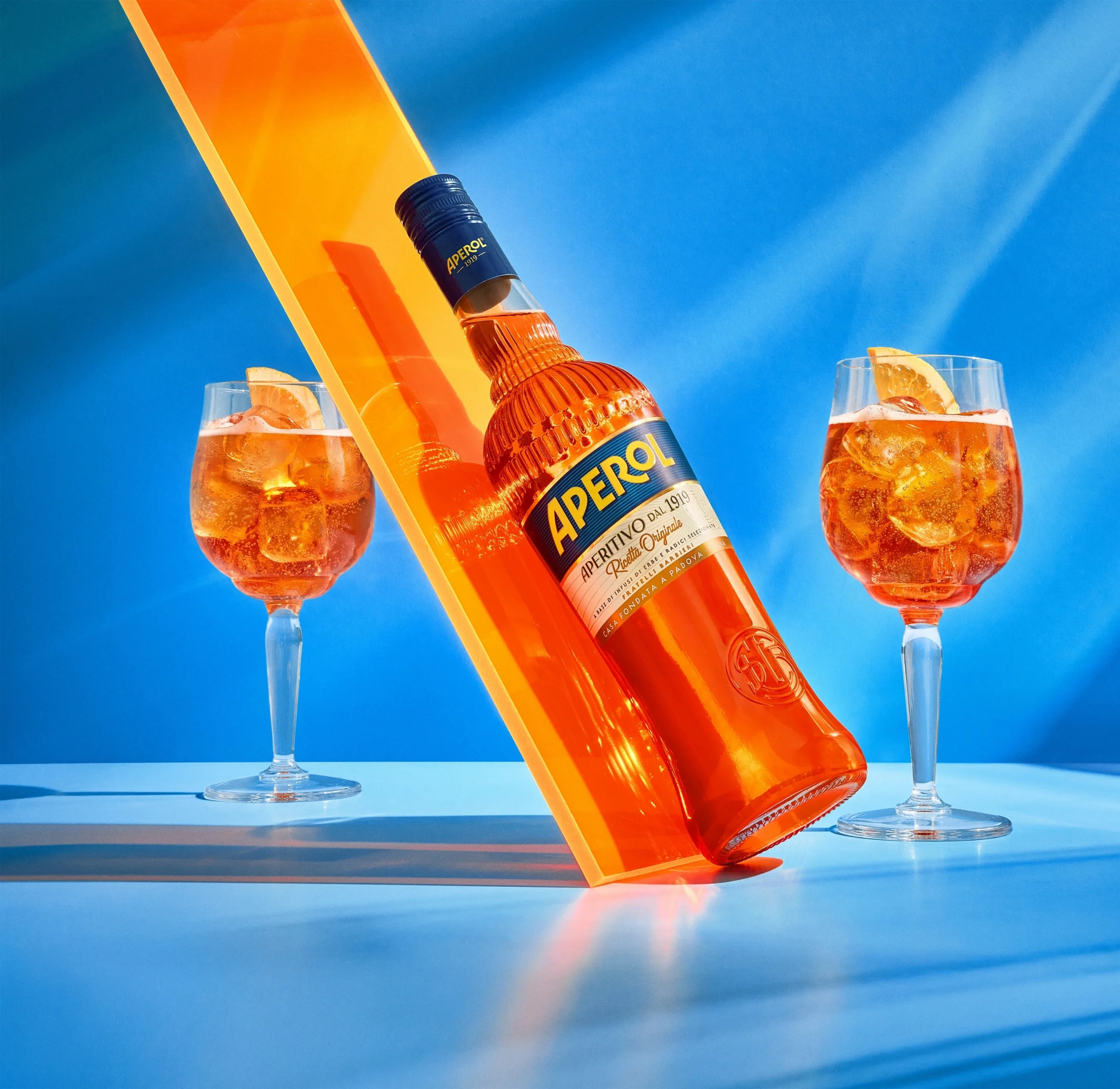
Over time, the simple mix of wine and water evolved into a more sophisticated cocktail, with the addition of sparkling Prosecco, soda water, and a bitter liqueur like Aperol or Campari. The Aperol Spritz, in particular, became synonymous with the drink, thanks to its visually appealing orange color and perfectly balanced flavor profile.

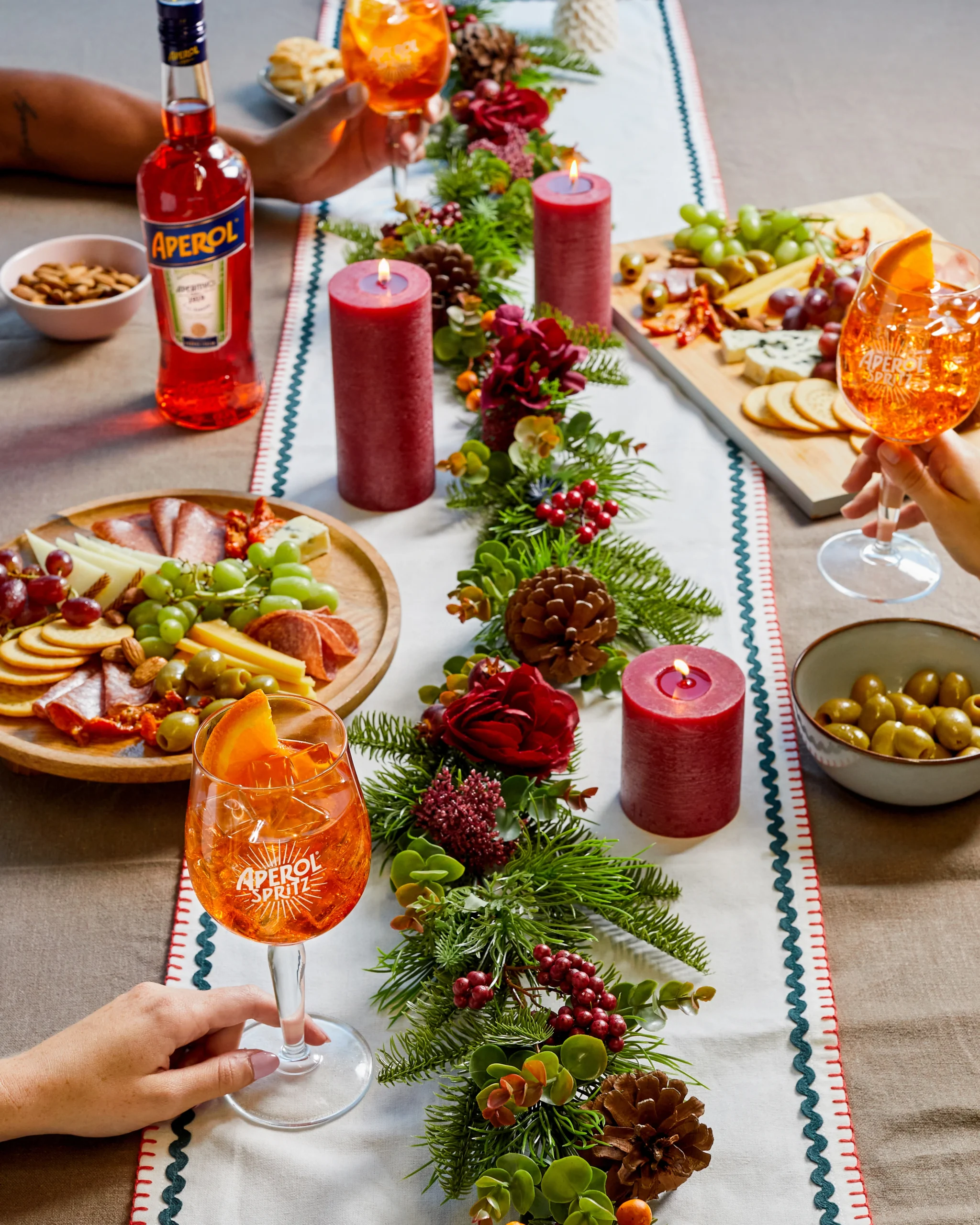
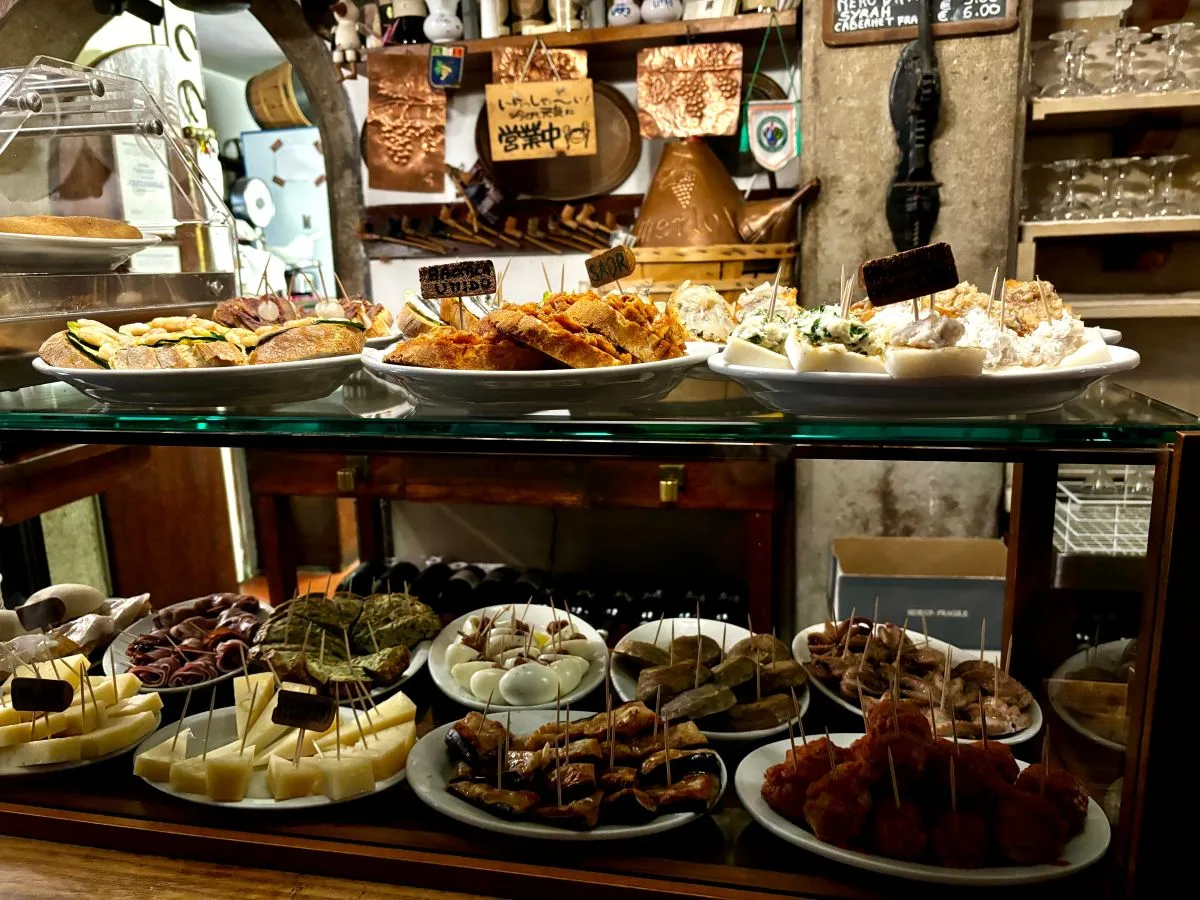
By the mid-20th century, the Spritz was firmly established in Venetian culture. Locals would gather at bars, or bacari, to enjoy a Spritz alongside small plates of cicchetti, Venetian tapas. Today, the Spritz is celebrated worldwide as an emblem of Italian elegance and casual conviviality, with its popularity reaching new heights thanks to social media and its Instagram-worthy aesthetics.

Spritz vs Spritzer: What’s the Difference?

While the names might sound similar, the Spritz and the Spritzer are distinct drinks with unique origins and characteristics.

The Spritzer, like the original Spritz, has its roots in Austria and involves mixing wine with soda water or sparkling mineral water. Its purpose is to lighten the wine and make it more refreshing, especially during warmer months. The Spritzer is straightforward and doesn’t include additional ingredients like liqueurs.

The Italian Spritz, on the other hand, is a more complex cocktail with layers of flavor. It incorporates three essential components:

  1. A bitter liqueur: Aperol or Campari are the perfect solutions.
  2. Prosecco: The sparkling wine that adds effervescence and sweetness.
  3. Soda water: A splash of soda to balance the bitterness and add a crisp finish.

The result is a drink that’s as visually stunning as it is delicious, a perfect harmony of bitterness, sweetness, and fizz.

How to Make the Perfect Spritz

Making the perfect Spritz is both an art and a science. While there are slight variations depending on the liqueur used, the classic recipe is simple and follows the traditional 3-2-1 ratio:

  • 3 parts Prosecco
  • 2 parts bitter liqueur (e.g., Aperol, Campari)
  • 1 part soda water

Here’s how to prepare the ultimate Aperol Spritz, the most famous variation:

Ingredients:

  • 45ml Prosecco
  • 30ml Aperol
  • 15ml soda water
  • Orange slice for garnish

Instructions:

  1. Fill a large wine glass with ice to chill it.
  2. Add Prosecco first, then Aperol and soda.
  3. Stir gently to combine, garnish with a fresh orange slice and serve.

Tips for the Perfect Spritz:

  • Use high-quality Prosecco for the best flavor and effervescence. A dry or extra-dry Prosecco works best to balance the sweetness of the Aperol.
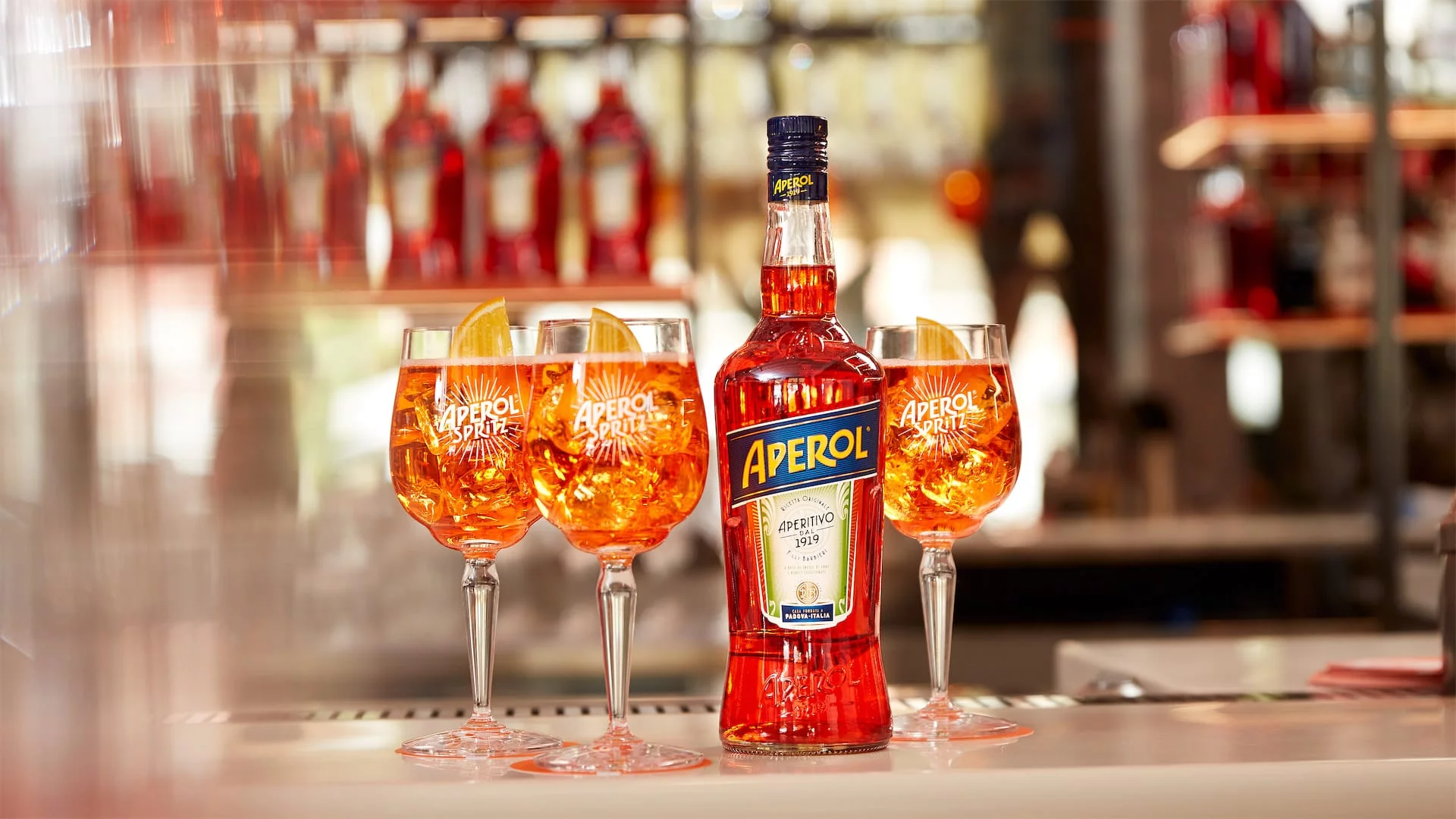
  • Serve the drink in a large balloon wine glass or a stemmed glass to highlight its visual appeal.

For variations, substitute Aperol with Campari (for a more bitter Spritz)

Tableeeeee

test test test
test test test
test test test
test test test

test

Is Aperol vodka?

No. Aperol is an Italian bitter aperitif and is made in a different way to vodka. 

Is Aperol sweeter than Campari?

Yes. Aperol is considered the sweeter of the two drinks, but they both have bittersweet profiles.

Is Aperol a fruit?

No. Aperol is not a fruit. It is made from a secret blend of ingredients, including orange, vegetal gentian root, and cinchona. Combined, these give it a bittersweet citrus-led taste.

Is Aperol a fortified wine?

No. Aperol is an Italian bitter apéritif and is made in a different way to fortified wine.

How do you hold an Aperol glass?

You can either hold your Aperol glass by the body, or by the stem. Holding by the body tends to warm the drink a little more, which melts the ice, but it’s totally up to you!

What fruit is in Aperol?

The Aperol recipe is kept under lock and key, but we know it includes a host of vegetables, fruits, flowers, plants, herbs, roots and bark. Aperol’s key ingredients include orange, vegetal gentian root, and cinchona. It has a bittersweet citrus-led taste.

Is Aperol wine?

No. Aperol is an Italian bitter apéritif and is made in a different way to wine or fortified wine. 

Is Aperol Spritz?

Aperol is the key ingredient of Aperol Spritz. The International Bartender Association certified recipe says it’s three parts prosecco, two parts Aperol and one part soda water. Read more about Aperol Spritz here

Is Aperol gin?

No. Aperol is an Italian bitter apéritif. Although it contains roots and herbs like gin does, it’s made in a different way to gin and has a different flavor profile. 

Is Aperol a wine?

No. Aperol is an Italian bitter apéritif and is made in a different way to wine. 

Is Aperol a spirit?

No. Aperol is an Italian bitter apéritif and is made in a different way to spirits. 

How do you open Aperol bottle?

Aperol has a screw top so it’s easy to open. Be sure to screw it back on tight once you’ve served your drinks to keep it fresher for longer.

Is Aperol a liquor?

Aperol is an Italian bitter apéritif liquer, with dominant flavours of orange and cinchona. 

Is Aperol vermouth?

No. Unlike Aperol, which is an apéritif, Vermouth is a fortified aromatic wine that has a subtly spiced flavor with a hint of bitter on the finish. Vermouth can be either sweet or dry.

Does Aperol taste bitter?

Aperol is more bittersweet that conventionally bitter. It has a sophisticated, well-rounded taste of citrus peels and essential citrus oils, offering a distinctive freshness and unmistakable aroma. 

Is Aperol an aperitivo?

Yes. Aperol is the epitome of an aperitivo, which originates from the Latin word ‘Aperire’ meaning ‘to open your appetite’. It’s a gentle and joyful start to a meal, typical of the laidback spirit of the Veneto region in which it was born.

What type of alcohol is Aperol?

Aperol is an Italian bitter apéritif infused with orange, gentian, chinchona, and an array of other herbs and spices. It’s one of the amaro family of spirit-based, bitter drinks also include Campari, Select and Cynar. Find out more about amaro drinks here.

Is Aperol an apéritif or digestif?

Aperol is an apéritif. If you forget, simply look at the similarities of the words Aperol / apéritif. Aperitivo originates from the Latin word ‘Aperire’ meaning ‘to open your appetite’. It’s a light and convivial start to a meal, representative of the easy-going spirit of the Veneto region in which it was born.

Does Aperol taste sweet?

Aperol is more bittersweet that conventionally sweet. It has a sophisticated, well-rounded taste of citrus peels and essential citrus oils, offering a distinctive freshness and unmistakable aroma. 

What’s the difference between Campari and Aperol?

While Aperol and Campari are both Italian apéritifs, they have distinct differences. Aperol is made much like Campari, but unlike its deep red counterpart, Aperol’s key ingredients include vegetal gentian root, and cinchona. It tastes of orange zest with a bit of vanilla, giving it a slight sweetness. Campari tastes comparatively bitter and has a higher alcohol content of 25%. 

Is Aperol the same as Campari?

No. While Aperol and Campari are both Italian apéritifs – bittersweet liqueurs designed to be consumed before a meal – they have distinct differences. Aperol is made much like Campari, but unlike its deep red counterpart, Aperol has a citrus-led, slightly floral tone, giving it a lighter, very slightly sweeter taste to Campari’s comparative bitterness. 

Is Aperol alcoholic? 

Yes. Aperol has an alcohol content of 11%. It is considered low in alcohol, making it light and vibrant, which distinguishes it from other liqueurs on the market. 

How can I drink Aperol?

There are countless ways to enjoy Aperol, but probably the most famous – and beloved – way is an Aperol Spritz. 

What drinks can I make with Aperol?

The best-known drink to make with Aperol is the Aperol Spritz. This signature serve boasts a lively spirit and refreshing taste. One of the best loved drinks on earth – it’s been ranked 9th in the world’s most sold cocktails* don’t you know?! – the refreshing mix is created for easy-going, memorable moments.  *Drinks International 2021


RELATED ARTICLES

Aperol

APEROL SPRITZ RECIPE

Discover the recipe for the perfect Aperol Spritz

Buy Now
Location
icon toggle
Select Product